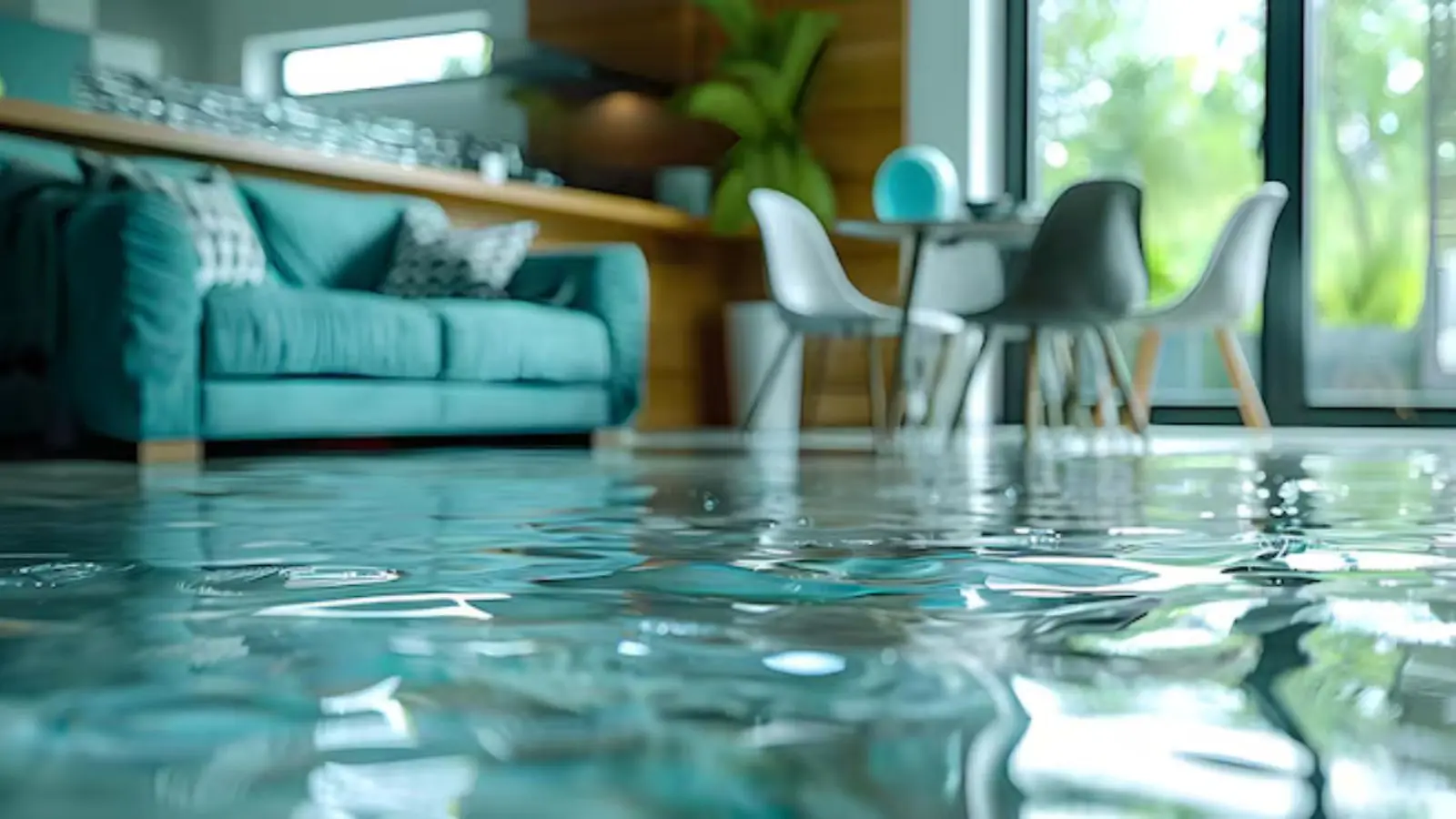
Water Damage Restoration in Mission Viejo, CA
Water damage restoration in Mission Viejo, CA starts with stopping the source and pulling standing water before it reaches drywall, subfloor and framing. Call the dispatch line any hour and we send a licensed crew when one is available.
- Licensed and insured
- Scope and price explained first
- Same-day response when available
Water still coming in? Do these four things first
Shut off the main water valve. Cut power to wet rooms only if you can reach the panel without standing in water. Lift rugs, electronics and paperwork off the floor. If you smell gas or see sewage, leave and call 911 or the gas utility before you call us.
Six services, one dispatch line
A wet house rarely needs just one thing. Most jobs start with emergency water removal and water mitigation, then move to cleanup and repair. Larger events call for flood damage restoration, and any job that sat wet for days may need mold remediation.
Pick the card that matches your situation, or call and describe what you see. The dispatcher will tell you which service fits and what to do while you wait.
Water Damage Repair
Rebuild after drying: drywall, insulation, flooring, cabinets and paint, started only after moisture readings confirm the structure is dry.
View serviceEmergency Water Removal
Standing water pumped out fast with truck-mounted and portable extraction units, day or night, before it wicks into walls and subfloors.
View serviceWater Mitigation
Stop the spread in the first 72 hours: shut-off guidance, extraction, moisture mapping and drying equipment set up around the clock.
View serviceWater Damage Cleanup
Debris and ruined materials hauled out, surfaces sanitized and odors treated once the water is stopped, with a clear keep-or-remove list.
View serviceFlood Damage Restoration
Storm water, groundwater and sewage in lower levels: pump-out, contaminated material removal, sanitizing and drying on a 24/7 emergency line.
View serviceMold Remediation
Containment, HEPA air filtration and removal of mold-affected materials, tied to the leak that fed it and followed by independent clearance.
View serviceWhy homeowners here call us first
Scope before work
Before a hose is unrolled, the crew walks the damage, explains what needs to be removed or dried, and gives you the price. You decide, then work starts.
Measured drying
Moisture meters and thermal imaging cameras find water inside walls and under floors. Daily readings tell us when a structure is actually dry, not just dry to the touch.
Licensed and insured
Ask any contractor for its license number and check it with the state board before you sign. Ours is a request we expect, not one we dodge.
Honest limits
We do not rent equipment, repair plumbing or waterproof foundations. If your problem belongs to a plumber or a waterproofing specialist, we say so on the first call.
What the first hours on site look like
Water spreads faster than most people expect. Within a day it wicks up drywall, soaks baseboards and sinks into carpet pad. The order of work matters, so crews follow the same basic sequence on almost every job.
Find and stop the source
A supply line, a failed appliance hose or a roof leak has to be controlled first, or everything else is wasted effort.
Extract standing water
Truck-mounted or portable extraction units pull water from floors and carpet. This removes most of the volume in the first hours.
Map the moisture
Moisture meters and thermal imaging cameras show where water traveled behind walls, under cabinets and across subfloors.
Set the drying system
Air movers and LGR dehumidifiers go in, wet materials that cannot be saved come out, and readings are logged each visit until the structure reaches its dry goal.
Many drying jobs run three to five days, though heavy saturation or hardwood can take longer. Our guide to water mitigation explains why the first 24 to 72 hours decide how much has to be torn out.
How the price of a water job is set
Two houses with the same leak can produce very different bills. The price follows what the water touched and how long it sat, so a responsible company explains the scope before it starts.
Water category
Clean supply water is the simplest. Gray and black water add containment, disposal and protective gear.
Affected area
One bathroom and an entire first floor are different jobs. Water that traveled into adjoining rooms increases the footprint.
Materials involved
Carpet pad, drywall, insulation, laminate and hardwood each dry or fail differently, and some must be removed.
Drying days and equipment
The number of air movers and dehumidifiers, and the days they run, depends on volume and humidity.
Rebuild scope
Replacing drywall, paint, baseboards and flooring is priced after the drying is finished and the damage is clear.
Insurance paperwork is a separate conversation, covered below. Want your real number? Call the dispatch line, describe the damage, and the scope and price are explained before any work starts. Our water damage cleanup page walks through what each stage covers.
Clean, gray and black water change the job
Restoration crews sort water into three categories under the ANSI/IICRC S500 standard for water damage restoration. Ask any company whether its crews work to it. The category sets how much can be dried in place and how much has to go.
| Category | Typical source | What it means for the job |
|---|---|---|
| Category 1 | Broken supply line, overflowing sink with clean water | Often dried in place if caught early. Speed matters most. |
| Category 2 | Washing machine discharge, dishwasher overflow | Some porous materials such as carpet pad usually come out. Surfaces are cleaned and treated. |
| Category 3 | Sewage backup, rising floodwater | Containment, protective gear and removal of affected porous materials. Stay out until a crew arrives. |
Clean water turns into Category 2 or 3 as it sits, which is another reason to call quickly. Rising water from storms and sewage backups fall under flood damage restoration, a separate service with its own safety steps.
Mission Viejo homes, rain and the water district question
According to the city of Mission Viejo, four water districts serve residents: El Toro Water District, Moulton Niguel Water District, Santa Margarita Water District and Trabuco Canyon Water District. Which one serves you depends on your address. Check your water bill so you know whom to call about a main-line leak, then locate your meter shutoff before you ever need it.
Census-based housing data compiled by the regional planning agency SCAG shows roughly two-thirds of the city's homes were built between 1970 and 1989. Original supply lines, water heaters and appliance connections from that era are now old enough to fail. If your home is in that range, inspect washer hoses and the water heater pan once a year.
Rain is the other cause. The National Weather Service reported that storms on February 4 to 8, 2024 dropped 4 to 10 inches of rain on Orange County. A multi-day soaking like that finds weak flashing, clogged downspouts and failed window seals.
The city advises clearing gutters, downspouts and low areas of yards and patios, and it offers free sandbags around the clock at seven city sites, including Alicia Park, Gilleran Park and the Civic Center, with a limit of 10 per resident.
Roof and window leaks after a storm are handled by our water damage repair crews once the structure is dry. Flood exposure differs by address, so check the FEMA flood map for your property.
What to document before the drying equipment goes in
Good records make every later conversation easier, whether it is with your insurer, a landlord or an HOA. Take five minutes before anything is moved.
- Photos and video of every wet room, wide and close, with the source visible if you can see it
- The make and model of any failed appliance, and the damaged items listed room by room
- A written log of calls, names and dates, which the California Department of Insurance recommends
- Receipts for anything you buy to protect the property, such as tarps or fans
- Water district bill or plumber's note if the leak came from a supply line
Keep damaged materials until your insurer says you can discard them. A crew removing wet drywall will photograph and measure it first, and you can ask for those photos. For help with a specific room, visit our contact page or call.
Water damage and your homeowners policy
Sudden leaks and floods are treated differently
Sudden and accidental water damage, such as a burst pipe or a failed supply line, is often covered by a standard homeowners policy. Slow leaks and long-neglected problems often are not. Read your policy or ask your insurer which applies to your loss.
Flood is the big exception. According to the California Department of Insurance, standard homeowners policies typically exclude flood, and flood claims go through the federal National Flood Insurance Program. Policies can also limit coverage for further damage if you did not take reasonable steps to protect the property, so start drying promptly.
Mission Viejo and the towns around it
Our base is in Mission Viejo, ZIPs 92691 and 92692. From there the dispatch line also covers Lake Forest, Laguna Niguel, Rancho Santa Margarita, Laguna Hills and San Juan Capistrano. See the full service area for details.
Questions homeowners ask us
Do you work nights and weekends?
Yes. The dispatch line is open 24/7, including nights, weekends and holidays. Water does not wait for business hours, so a crew is sent when one is available. We cannot promise an arrival time, but we will tell you honestly what to expect when you call.
How fast can someone come out?
Same-day response is offered when available. The timing depends on crew location, current call volume and weather. While you wait, shut off the water, move valuables and keep people out of any contaminated water.
Do you work with my insurance company?
We can provide photos, moisture readings and a written scope that you may share with your insurer. Coverage decisions belong to your carrier, so check your policy and ask your insurer what it requires. We do not promise approval or payment.
What does water damage restoration cost?
The price depends on the water category, how much area is affected, the materials involved, how many days of drying are needed and how much rebuilding follows. After a crew sees the damage, the scope and price are explained before work starts. Call the dispatch line to begin.
Is water damage restoration the same as waterproofing?
No. Restoration removes water that has already entered and dries and repairs what it damaged. Waterproofing is a separate trade that keeps water out, such as exterior drainage or foundation sealing. We do not perform waterproofing, but we can tell you whether the pattern points to a leak that needs one.
Do you handle mold clearance?
Our mold remediation crews contain and remove mold-affected materials and fix the moisture conditions. Clearance testing is usually done by an independent party, not the company that did the cleanup. Ask whether your state licenses mold work and ask any company to show its contractor license.
Can I stay in the house during the work?
Often yes for clean-water jobs, though air movers are loud and run around the clock. For sewage, heavy mold or major demolition, plan to stay elsewhere until the work area is sealed off. The crew will tell you what is safe for your situation.
Who should I call first?
If you smell gas, see sparks or have sewage in the house, call 911 or the gas utility before anyone else. For a supply-side leak, your water district can help. After those, call our dispatch line to dry out the building. Our emergency water removal service is built for that call.
What do you not do?
We do not rent air movers or dehumidifiers to homeowners, we do not repair plumbing, and we do not waterproof foundations. Drying equipment needs placement and daily monitoring to work, which is why we run it ourselves as part of a job.
Wet floors or a soaked wall right now?
Call the 24/7 line and tell the dispatcher what you see. We will explain the scope and price before work starts.
☎ Call (949) 670-0939